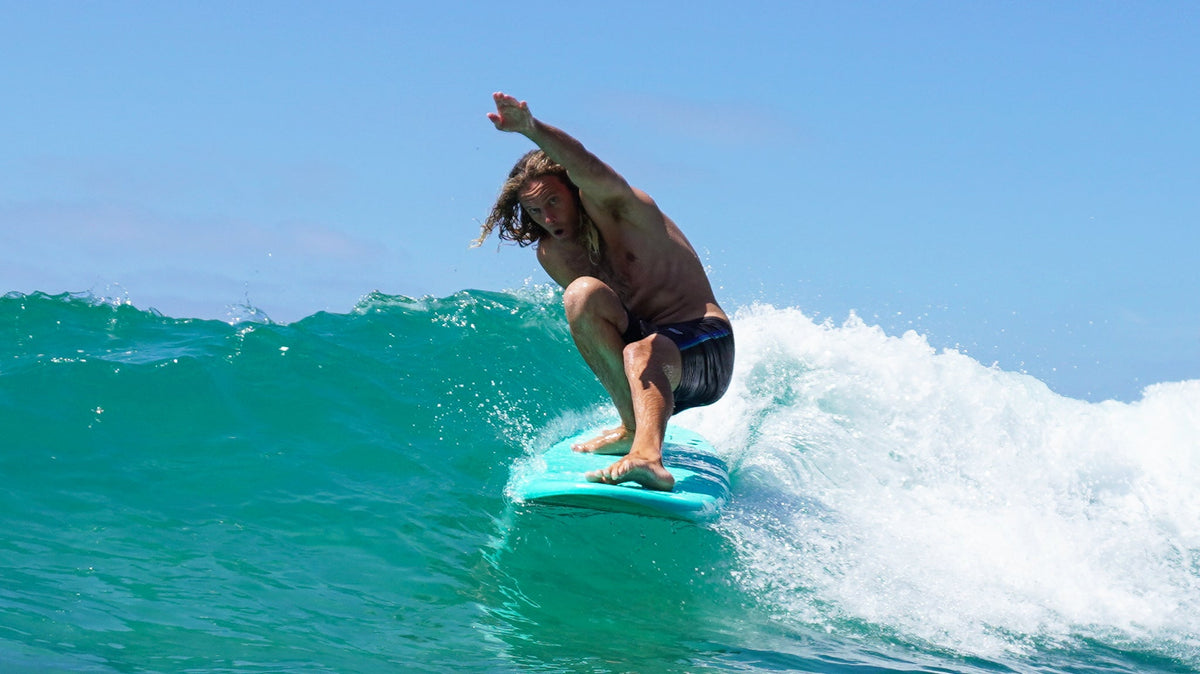
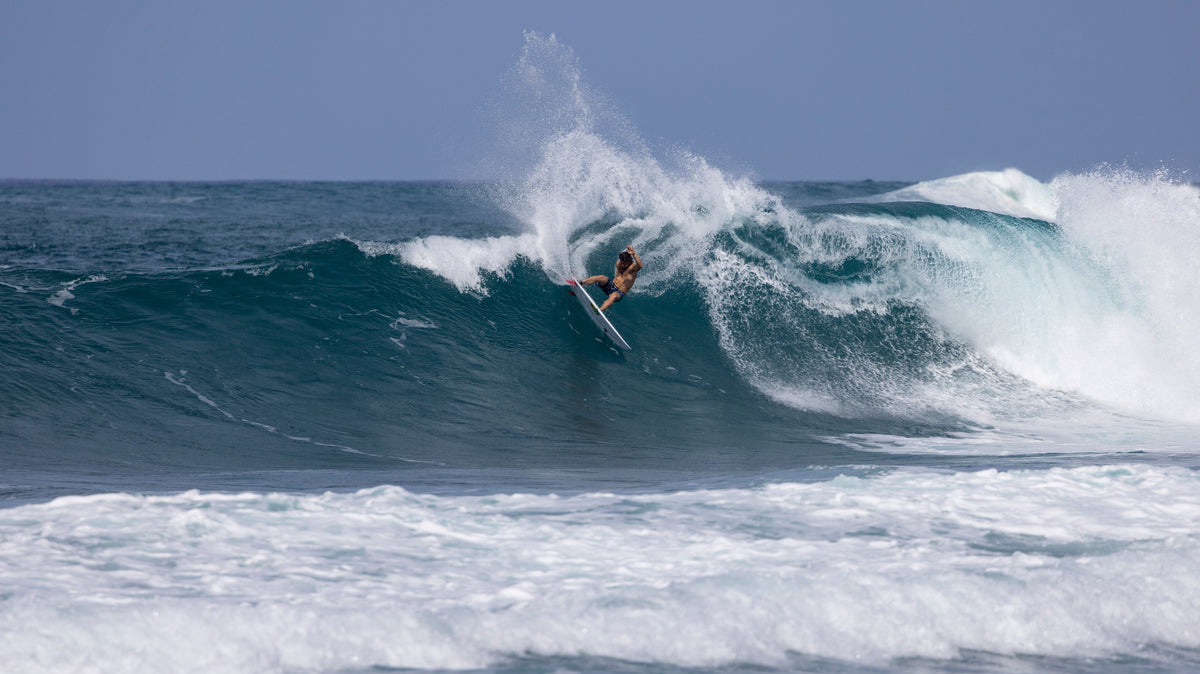
South Florida gets waves year-round, but winter is when the real surf season starts. November through March, cold fronts push north swells down the coast that turn spots from Jupiter to Deerfield into consistent, head-high beach break. The water stays in the mid-70s. No wetsuit, no booties, no excuses. Island Water Sports carries surfboards for every level, from foam soft tops for someone who has never stood up to performance shortboards built for surfers who compete. All surfboards are in-store pickup only. Call 954-427-4929 to check stock before you come in.
Surfing in South Florida: what you need to know before buying a board
South Florida waves are different from what you see in surf magazines. Most days are waist high or smaller. The water is warm. The bottom is sand. The waves break fast and close to shore. That means board choice matters more here than almost anywhere else, because the right board turns a knee-high day into a session and the wrong board turns it into a workout.
A general rule: in South Florida, go bigger and wider than you think you need. The extra volume catches more waves, and more waves means more practice. The staff at any of our four locations can talk you through sizing once you know what category fits your surfing.
Best beginner surfboards: soft tops and foam boards
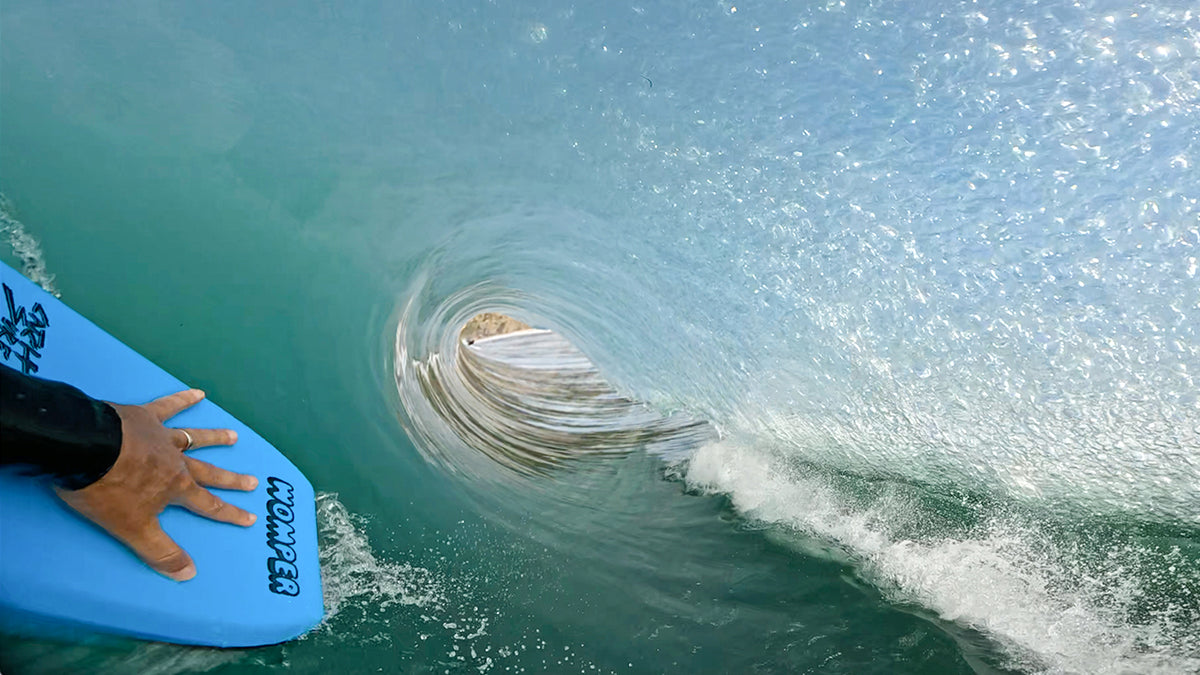
A soft top is the right first surfboard. The foam deck is forgiving on your chest and ribs when you are learning to pop up. The wide outline and thick rails make it stable enough to stand on before you know what you are doing. And in South Florida's small waves, a foam board paddles into everything, which means you spend your session actually surfing instead of sitting in the lineup watching waves pass under you.
The Storm Blade Classic ($340 to $550) is the board the staff recommends most for first-time surfers. It comes in sizes from 7 feet to 10 feet, all in stock. If you are buying a board for a kid, a teenager learning to surf, or yourself, start here.
The Odysea Log ($375 to $565) by Catch Surf is a step up in build quality. It surfs more like a real longboard than a typical foam board. Sizes from 7 to 9 feet in multiple colors. The Odysea x Lost RNF ($375 to $490) is a foam fish shape co-designed with Matt Biolos from Lost Surfboards. Nine sizes in stock. It paddles like a soft top but turns like a real fish, which makes it the board for someone who has outgrown the longboard shape but still wants the durability of foam.
The Softech Roller ($395 to $440) bridges the gap between foam and fiberglass. It has a soft deck but a stiffer rail and more refined shape than a pure foam board. Five sizes in stock. The Softech Flash Eric Geiselman ($370) is the performance soft top, designed with pro surfer Eric Geiselman for surfers who want to throw spray on a board they can toss in the back of the truck without a board bag.
The Wave Bandit EZ Rider ($300 to $465) and Ben Gravy Pro EZ Rider ($550) are fun, durable options. We also carry the Island Water Sports Classic Soft Top ($325) and the IWS Swallow Tail Soft Top ($195 to $260) under our own label, starting under $200.
Surfboards for progressing surfers: mid-lengths and funshapes

Once you can paddle into waves on your own and ride down the line, a mid-length opens up a new part of your surfing. Mid-lengths run 6 feet 6 inches to 8 feet. They catch waves almost as easily as a longboard but turn tighter and respond faster. In South Florida, where most days are chest high or smaller, a mid-length is the board that gets the most out of every session.
The NSP Elements HDT ($510 to $529) is the workhorse of this category. Twelve sizes in stock. NSP uses a hollow deck technology that keeps the board light without sacrificing durability, and these boards hold up to dings and airport baggage handlers. If you want one board that works in South Florida and also travels, this is it.
The Firewire TJ Mid ($1,140 to $1,255) is the premium option, shaped by Tyler Jensen for Firewire. Lighter construction, more refined rails, and the kind of flex pattern that lets you draw longer lines on a small wave. The Thunderbolt Mid 6 ($1,160 to $1,210) uses carbon construction for similar performance at less weight.
The Island Boards Funshape ($559 to $579) is our house-brand option with four sizes in stock. The WRV Mini Log ($1,099) is an East Coast-shaped mid-length from Wave Riding Vehicles in Virginia Beach, a shaper that has been building boards for waves like ours since the 1960s.
Not sure what shape fits your surfing? Our surfboard shapes guide breaks down every board type, from shortboards to longboards.
Best surfboards for small waves: fish and everyday boards

A fish is wider, shorter, and thicker than a standard shortboard. It paddles faster and planes through flat sections that would bog down a thinner board. In South Florida, where most waves are waist to chest high and the faces are soft, a fish is the board that makes mediocre waves feel fun. If you only own one board and you surf here regularly, this is probably the category.
The Channel Islands Dumpster Diver 2 ($785 to $930) is Al Merrick's small-wave fish, built to generate speed where there is none. Three sizes in stock. The WRV Fish ($745) is a classic twin-fin fish from an East Coast shaper who knows exactly what these waves demand. Four sizes.
The Firewire Seaside ($915 to $1,090) is Rob Machado's small-wave shape and Firewire's best seller. It is wider and thicker than it looks, and it flies through the kind of waist-high walls that South Florida produces on most winter mornings. Four sizes in stock. The Machado Cado ($890 to $1,125) is his daily driver for days with a bit more push.
The Lost RNF 96 Lightspeed ($865 to $925) is the board that put Lost's small-wave program on the map. A rounded nose fish that generates speed on flat faces. The RNF 96 ($825) is also in stock. The OG Puddle Jumper ($825) is wider and thicker for surfers who want even more paddle power.
On a budget: the Island Boards Fish ($499 to $509) is our house-brand option with four sizes. The Catch Surf Blank Series Fish ($365 to $390) is a foam fish for surfers who want the shape without worrying about dings. The 7S Superfish 4 ($599 to $625) is wider and more forgiving for surfers still building confidence on a shorter board.
Performance shortboards: Pyzel, Channel Islands, Lost, and Sharp Eye

Performance shortboards are thinner, narrower, and more responsive than the boards above. They are built for surfers who generate their own speed and want a board that answers to small shifts in weight and foot pressure. If you are not yet comfortable pumping through flat sections and driving through bottom turns, a fish or mid-length will be more fun. If you are, these are the boards the world's best surfers ride.
Pyzel is a Hawaii-based shaper whose boards are ridden by John John Florence. The Pyzel Ghost XL ($885 to $945) is the wider, more accessible version of the Ghost, with two sizes in stock. The Red Tiger ($825 to $855) is designed for everyday waves. The Score Lord 5 Fin ($895 to $945) works as a thruster or a quad. The Tiger Twin ($845 to $855) is a twin-fin built for speed. See the full range at Pyzel Surfboards.
Channel Islands is Al Merrick's brand, built in Santa Barbara since 1969. Merrick has shaped boards for Kelly Slater, Tom Curren, and more world champions than any other shaper. The Channel Islands Solution ($840 to $875) has six sizes in stock and is designed for small, weak waves, which makes it one of the best performance boards for South Florida. The Mikey Shorty ($840 to $875), CI 2.PRO ($800 to $840), and Better Everyday ($810 to $875) are all daily drivers. The Goldie ($840) is a twin-fin, the G Skate ($840) is the skateboard-inspired groveler, and the Big Happy ($810 to $875) is the high-volume option for bigger surfers.
Lost is Matt Biolos's brand out of San Clemente. Biolos shaped for Kolohe Andino, Carissa Moore, and Mason Ho. Lost boards tend to be more user-friendly than pure competition shapes. The Formula 1 Squash ($825) has two sizes available. The Sub Driver 3.0 ($825) is the small-wave performance board. The Ripper Round ($825) rounds out the range.
Sharp Eye is Marcio Zouvi's brand out of Brazil, ridden by Filipe Toledo and Yago Dora. The Sharp Eye Modern 2 ($775) has two sizes in stock and is built for fast, vertical surfing. Sharp Eye boards run $775 to $955.
Firewire and Slater Designs

Firewire is the biggest surfboard brand in the shop. What separates Firewire from traditional board builders is construction: their Helium, Linear Flex Technology, and Volcanic basalt fiber builds are lighter and more durable than a standard polyester board. If you have snapped or creased a board in the past year, Firewire's construction is worth the price difference. Slater Designs is Kelly Slater's line, manufactured by Firewire with the same technology.
Small-wave shapes: the Seaside ($915 to $1,090) and Seaside and Beyond ($1,255) are Rob Machado's designs for exactly the kind of waves South Florida produces. The Machado Cado ($890 to $1,125) and Xtra-Cado ($995 to $1,125) are his daily drivers.
All-around performance: the Groove ($995) works as a mid-length with shortboard performance, five sizes in stock. The Dominator 2.0 ($995 to $1,125) and Dominator Pro Helium ($890 to $915) are everyday boards. The Boss Up ($995 to $1,255) is the step-up for when a real north swell hits and the waves get overhead.
Slater Designs: the FRK+ Squash ($890 to $995), Great White ($980 to $1,125), Mindcraft ($995), Spaceship ($890 to $995), and SITD DRK ($995) are all in stock. The Sci-Fi 2.0 ($875 to $980) is the most affordable Slater Designs board in the shop.
Longboards for South Florida

South Florida is longboard country. On most days, the waves reward a board that can catch everything from ankle-high rollers to chest-high peaks. A longboard lets you surf on days when no one else is out, and on good days it catches waves the shortboarders paddle right past. We carry longboards across more than ten brands, from classic noseriders to modern performance logs.
The Walden Magic Model Fusion ($1,000 to $1,235) is one of the most recognized longboards in surfing, in a lighter fused construction. The Walden Mini Magic ($925 to $985) is the scaled-down version for smaller surfers or anyone who wants a longboard that fits inside a smaller vehicle.
The Modern Golden Rule ($875 to $899) has three sizes in stock. The Donald Takayama In The Pink ($1,095 to $1,220) is a classic noserider from one of surfing's most respected longboard shapers. If you want to learn to walk the board and hang five, this is the shape to start on.
The WRV Captain's Log ($1,145) is a performance longboard with four sizes in stock, shaped for East Coast waves. The WRV Mod 67 ($1,145) is a retro single-fin. The TCSS Allrounder ($1,050) and TCSS Loggerhead ($1,050) are Australian-made logs. The Creative Army Jive ($925) is a PU classic. The Salt Gypsy Dusty Retro ($965) is designed for women longboarders.
The Island Boards Longboard ($669 to $749) is our house-brand option with three sizes in stock, the most affordable new longboard in the shop. The Thunderbolt Parallax Plus ($1,390) and Thunderbolt Paragon ($1,450) are the premium carbon-construction longboards for surfers who want the lightest, most responsive ride.
Local and independent shapers
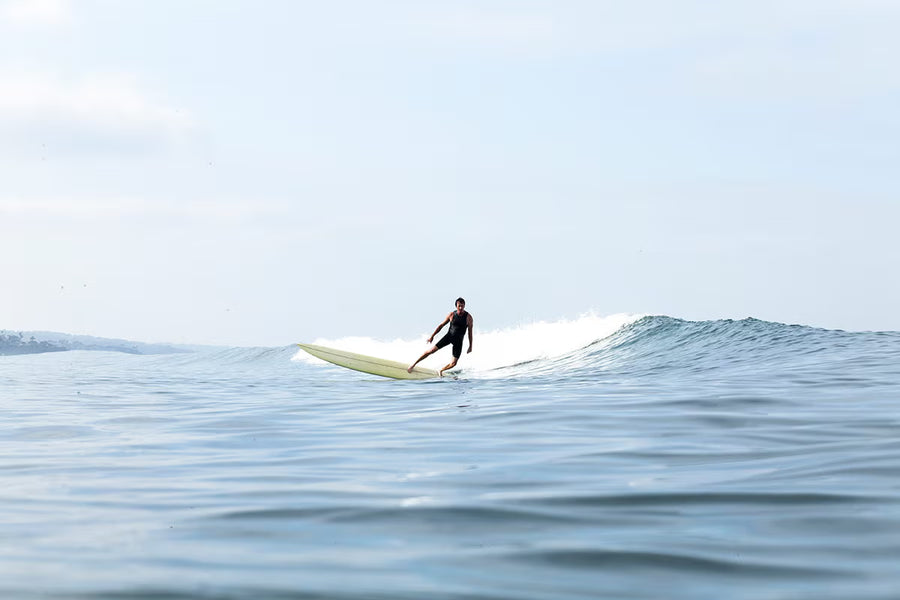
Orion is shaped in Florida and designed for the waves we actually get. The 9to5 ($665 to $680) has five sizes in stock, and the 2+1 ($665 to $690) and Rocket ($685) are also available. If you want a board designed by someone who surfs the same breaks you do, Orion is worth looking at.
Fun Day Surf makes affordable hand-shaped boards. The Da Regulator ($450 to $475) and Fun Missile ($425) are options for surfers who want something custom-feeling without the custom price. SMTH Shapes ($549 to $769) are Australian imports with clean outlines.
Christenson boards are hand-shaped by Chris Christenson in San Diego. The Lane Splitter ($1,139 to $1,249), Long Phish ($1,349), and Acid Phish ($1,249 to $1,649) are boutique boards for surfers who know the exact shape and feel they want.
For Haydenshapes, we have a separate guide covering the DarkNoiz and Nova. Haydenshapes uses FutureFlex and Carbonyx construction for a flex pattern you cannot get from any other brand.
Used and consignment surfboards
We carry a rotating selection of used and consignment surfboards, typically priced between $80 and $800. You will find boards from Pyzel, Lost, Channel Islands, Sharp Eye, Firewire, and Haydenshapes at a fraction of what they cost new. This is the section for surfers who want to try a new shape without committing full price, or who want a travel board they will not worry about on a flight.
The used rack changes every week. Some boards come with fins, some do not. Sizes, conditions, and brands vary. Call 954-427-4929 to ask what is on the rack, or stop by and look through them in person. Used boards go first come, first served.
Surfboard accessories: fins, traction pads, leashes, wax, and board bags
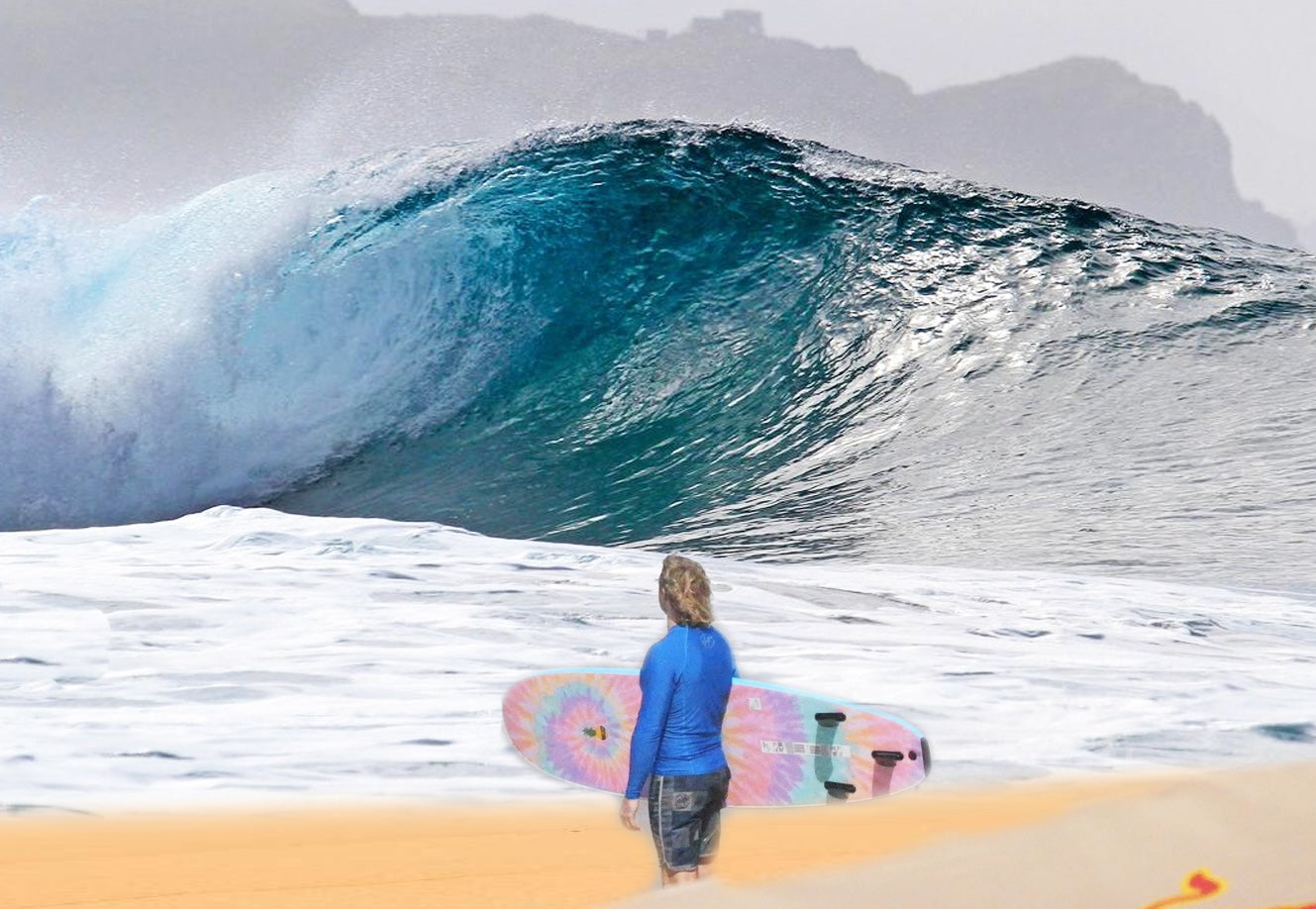
A new surfboard usually does not come with everything you need to surf it. Most performance boards ship without fins, without a leash, and without traction. Here is what to pick up when you buy your board.
Surfboard fins
There are two fin systems: FCS and Futures. They are not interchangeable. Check which fin boxes your board has before buying fins. Most Firewire, Channel Islands, and Lost boards use FCS II, which clicks in without a screw. Pyzel, Sharp Eye, and many other shapers use Futures, which slides in and locks with a single grub screw. Some longboards and mid-lengths use a single center box (sometimes called a US box) with side-bite FCS or Futures plugs.
The FCS 2 Connect PG Longboard Fin ($85 to $122) is the go-to single fin for longboards, with 14 in stock. The FCS V2 PC Tri-Quad Fin Set ($208) lets you run thruster or quad on the same board. The Futures JJF-2 Pro Techflex ($170) is John John Florence's signature set for Futures boards. Soft tops and some beginner boards include fins in the box. Browse the full range at Fins.
Surfboard traction pads
A traction pad replaces wax on the tail of your board. It gives your back foot a consistent grip surface that does not wash off or melt in the South Florida heat. If you are riding a shortboard, a fish, or a performance mid-length, you want a traction pad. Longboard riders who walk the board generally skip the tail pad and wax the entire deck instead.
Traction pads are a one-time install. You peel the adhesive backing, press it onto a clean, dry board, and it stays on for the life of the board. The FCS T-3 Eco ($54 to $64) is the best seller with nine in stock. The Dakine Bruce Irons Pro ($48 to $53) and Octopus John Doe Corduroy ($54) are also popular. Front traction pads from Channel Islands and Octopus are available for surfers who want grip under their front foot too. Browse all traction pads.
Surf leashes
You need a leash. It keeps the board attached to your ankle so you do not have to swim after it, and it keeps your board from hitting other people in the water. Match the leash length to your board: a 6-foot leash for shortboards, 7 to 8 feet for mid-lengths and funshapes, 9 to 10 feet for longboards. The FCS Essential All Round ($44 to $50) and Dakine Kainui Team ($33 to $39) are the two most popular leashes in the shop. Browse all leashes.
Surf wax
Wax goes on the deck of your board to keep your feet from slipping. South Florida water temperature stays between the mid-70s in winter and the mid-80s in summer, so you want tropical or warm formula year-round. Sex Wax Quick Humps, Mrs. Palmer's, and Sticky Bumps are all $3 a bar. We keep hundreds in stock. Grab two or three when you buy your board. Browse all surf wax.
Surfboard bags
A board bag protects your board from dings in the car, in the garage, and on a plane. A day bag is a lightweight stretch cover that keeps the sun and wax off your seats. A travel bag has padding and a reinforced nose for checked luggage. The FCS Funboard Stretch Cover ($82) is the most popular day bag. The FCS Classic All Purpose ($114 to $120) works for everyday protection. For flights, the FCS Travel 2 ($334 to $350) fits one or two boards. Browse all surfboard bags.
How to choose the right surfboard
If you have never surfed before, start with a soft top. The Storm Blade Classic in 8 feet or 9 feet is the board the staff recommends most. It is forgiving, stable, and catches everything. You will not outgrow it for a while, and when you do, you still pull it out on small days.
If you can stand up and ride down the line but want to start turning, look at a mid-length like the NSP Elements HDT or a fish like the Odysea x Lost RNF. The mid-length gives you more paddle power while letting you carve; the fish gives you speed and maneuverability in small surf.
If you are an experienced surfer, board choice depends on your weight, the waves you ride most often, what you are riding now, and what you want to change. That conversation is the reason to buy from a surf shop instead of ordering online. The staff at Island Water Sports surfs these same breaks. They know what works in a waist-high south wind day and what works when a cold front sends real swell down the coast.
A rough sizing guide: your first board should be at least 2 feet taller than you. As you progress, you can go shorter and narrower. Volume (measured in liters) matters more than length alone. The staff can calculate the right volume range based on your weight, fitness, and how often you surf. For a deeper breakdown of how different shapes work, read our surfboard shapes guide.
Frequently asked questions
What size surfboard do I need? As a beginner, start with a board at least 2 feet taller than you. An 8-foot or 9-foot soft top works for most adults learning to surf. As you progress, volume (in liters) becomes a better sizing metric than length alone. Ask the staff to calculate your ideal volume range.
What is the best surfboard for small waves? A fish or a mid-length. In South Florida, where most days are waist to chest high, the Firewire Seaside, CI Dumpster Diver 2, and Lost RNF 96 are designed for exactly these conditions.
Soft top or fiberglass for a first board? Soft top. A foam board is more forgiving when it hits you, catches waves more easily because of the extra volume, and holds up to the inevitable dings of learning. Move to fiberglass after you can consistently paddle into waves and ride down the line.
Do you ship surfboards? No. Surfboards are in-store pickup only at all four Island Water Sports locations. Call 954-427-4929 to check stock on a specific board and we will have it ready when you arrive.
What accessories do I need with a new surfboard? At minimum: fins (if not included), a leash, and wax. Most performance boards do not come with fins. A traction pad is recommended for shortboards and fish. A board bag keeps your board protected in the car. The staff will tell you exactly what your board needs when you buy it.
Can I try before I buy? Come in, hold the boards, talk to the staff. They can tell you how a board will feel under your feet based on your weight and skill level. For used boards, you can inspect the condition in person.
Visit Island Water Sports
Surfboards are in-store pickup only. Come see them, hold them, talk to the staff about what fits your surfing.
- Island Water Sports, Deerfield Beach (our flagship since 1978)
- Boca Surf and Sail, Boca Raton
- Island Water Sports, Delray Beach
- Island Water Sports, Pompano Beach
Or browse the full lineup at Surfboards. Call 954-427-4929 to check stock or ask about sizing before you come in.
For more guides: Haydenshapes DarkNoiz and Nova, Salty Crew, Rainbow Sandals, KANE Footwear, and Freaks of Nature. Island Water Sports has been outfitting South Florida for the water since 1978.
Prices reflect current Island Water Sports pricing and may change. Stock varies by location. Call ahead to confirm availability on any specific board.